
Digital Sovereignty: Why Control Over Data, Technology and Skills Matters for Morocco
Discover why digital sovereignty matters to Morocco, including data protection, cybersecurity, AI, cloud computing and the skills needed to strengthen its digital economy.
Digital Sovereignty: Why Control Over Data, Technology and Skills Matters for Morocco
Digital sovereignty is becoming an increasingly important issue for governments, businesses and individuals as economies become more dependent on digital technologies. From cloud computing and artificial intelligence (AI) to cybersecurity, digital payments and online public services, technology now plays a central role in how organisations operate and how people access information and opportunities.
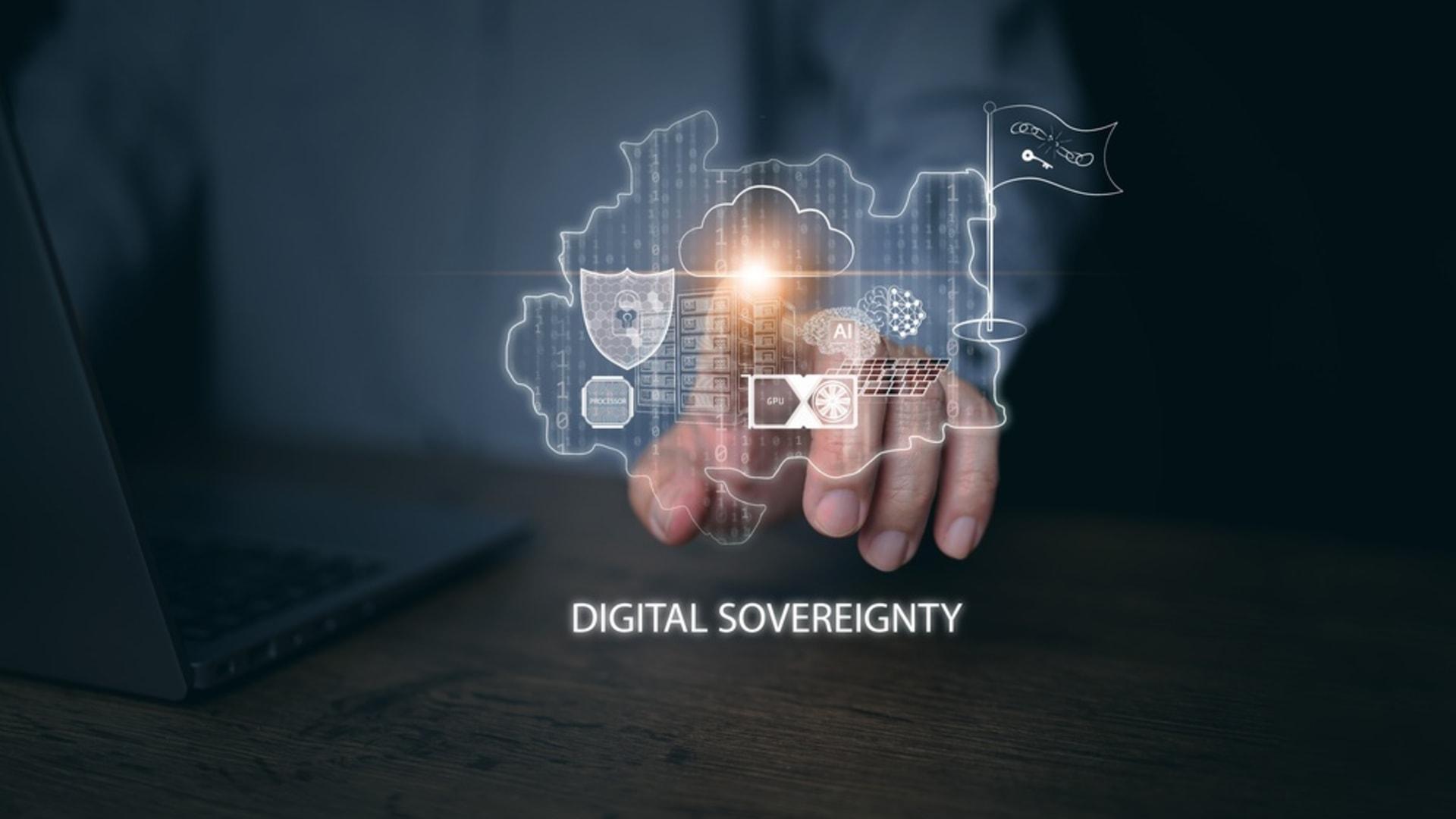
At its core, digital sovereignty refers to the ability of a country, organisation or individual to maintain meaningful control over its digital infrastructure, data, technology and systems. It involves making informed decisions about where data is stored, who can access it, which technologies are used and how digital services are developed and managed.
For Morocco, strengthening digital sovereignty presents an opportunity to develop local expertise, support innovation, improve cybersecurity and build a more resilient digital economy.
What Does Digital Sovereignty Mean?
Digital sovereignty covers several connected areas. One of the most important is data sovereignty, which concerns the control, storage, processing and protection of information. Governments and businesses need to understand how their data is handled, particularly when using international cloud services and digital platforms.
Technological sovereignty is another key consideration. It involves developing the expertise and capacity to create, maintain and adapt technologies rather than relying entirely on solutions developed elsewhere. This does not mean avoiding international partnerships or technology providers. Instead, it means having the skills, infrastructure and decision-making capacity to choose technologies that meet national and organisational needs.
Cybersecurity also plays a central role. Protecting networks, systems and sensitive information is essential to maintaining trust in digital services and reducing exposure to cyber threats.
Why Digital Sovereignty Matters to Morocco
As Morocco continues to develop its digital economy, control over data and technology will become increasingly important. Businesses across sectors are adopting cloud services, AI tools, digital platforms and connected systems. Public services are also becoming more dependent on digital infrastructure.
This creates opportunities for greater efficiency, innovation and international competitiveness. However, it also raises questions about data protection, technological dependence, cybersecurity and the availability of specialist skills.
Developing stronger domestic capabilities can help Morocco make informed technology decisions, protect important information and build solutions that respond to local requirements. It can also support the growth of Moroccan technology companies and create opportunities for professionals working in software development, cloud computing, data management and cybersecurity.
International collaboration will remain important. Partnerships with global technology companies, universities and research institutions can provide access to expertise, investment and advanced infrastructure. The challenge is to combine these relationships with the development of local knowledge and long-term national capabilities.
The Role of Artificial Intelligence and Cloud Computing
Artificial intelligence has added a new dimension to digital sovereignty. AI systems depend on large volumes of data, computing infrastructure and specialist technical knowledge. Organisations adopting these technologies need to consider where their data is processed, how AI models are developed, what information is used to train them and how decisions generated by automated systems are monitored.
Cloud computing raises similar considerations. Cloud services allow businesses to access computing resources without building and maintaining all their own infrastructure. However, organisations must understand the contractual, security and regulatory implications of storing information with external providers.
For Morocco, building expertise in AI, cloud architecture, data governance and software engineering can help organisations adopt these technologies responsibly while retaining greater control over their digital operations.
Developing the Skills Behind Digital Sovereignty
Technology infrastructure alone cannot deliver digital sovereignty. Skilled professionals are needed to design, operate, secure and improve digital systems.
Several areas of expertise are particularly relevant:
- Cybersecurity: Professionals who can identify vulnerabilities, protect networks, respond to incidents and manage digital risks.
- Artificial intelligence and machine learning: Specialists who can develop, assess and implement AI systems responsibly.
- Cloud computing: Engineers and architects who understand cloud infrastructure, data storage, migration and security.
- Data protection and governance: Professionals who can manage information responsibly and support compliance with relevant regulations.
- Software development: Developers who can build and maintain digital products, platforms and services.
- Digital policy and regulation: Experts who understand the legal, ethical and strategic issues surrounding technology, data and digital infrastructure.
Education and professional training will be essential to meeting these requirements. Universities, vocational institutions and private training providers can help develop the technical and management capabilities needed across the digital economy. Continuous professional development will also allow existing employees to update their skills as technologies and regulatory requirements change.
Opportunities for Businesses and Employers
Digital sovereignty is not solely a government responsibility. Companies also need to take greater ownership of their digital environments.
Businesses can begin by reviewing how they collect, store and process information, assessing the security of their technology providers and understanding their reliance on external platforms. They should also consider data protection, business continuity and the risks associated with using AI tools.
Recruitment is another important part of this process. Employers need professionals who can combine technical expertise with an understanding of business requirements, risk management and responsible technology use.
For Moroccan businesses, investing in local talent can strengthen internal capabilities and reduce dependence on a limited number of external specialists. It can also create opportunities for graduates and experienced professionals seeking careers in technology and digital services.
Building a Stronger Digital Future
Digital sovereignty is best understood as the ability to participate confidently in the digital economy while retaining control over important data, systems and decisions. It does not require complete technological independence. Rather, it depends on having the knowledge, infrastructure, partnerships and skills to make informed choices.
For Morocco, progress will require cooperation between government, education providers, technology companies and employers. Investment in cybersecurity, AI research, digital infrastructure and professional training can help strengthen the country's position as a regional technology and innovation hub.
The development of local talent will be particularly important. As demand for digital expertise grows, opportunities will emerge for professionals who can help organisations manage data, protect systems and develop new technologies.
Through AI-powered recruitment on the JobExpo.ma platform, employers can connect with candidates across Morocco and identify talent with relevant digital and technical skills. Jobseekers can also use the platform to discover opportunities in technology, cybersecurity, software development and other growing areas of the digital economy.
Digital sovereignty will be shaped by the people who develop, manage and protect technology. Building those skills is an important step towards a more resilient and competitive digital future for Morocco.
Explore technology and digital career opportunities in Morocco on JobExpo.ma, the AI-powered recruitment platform connecting employers with talent.