
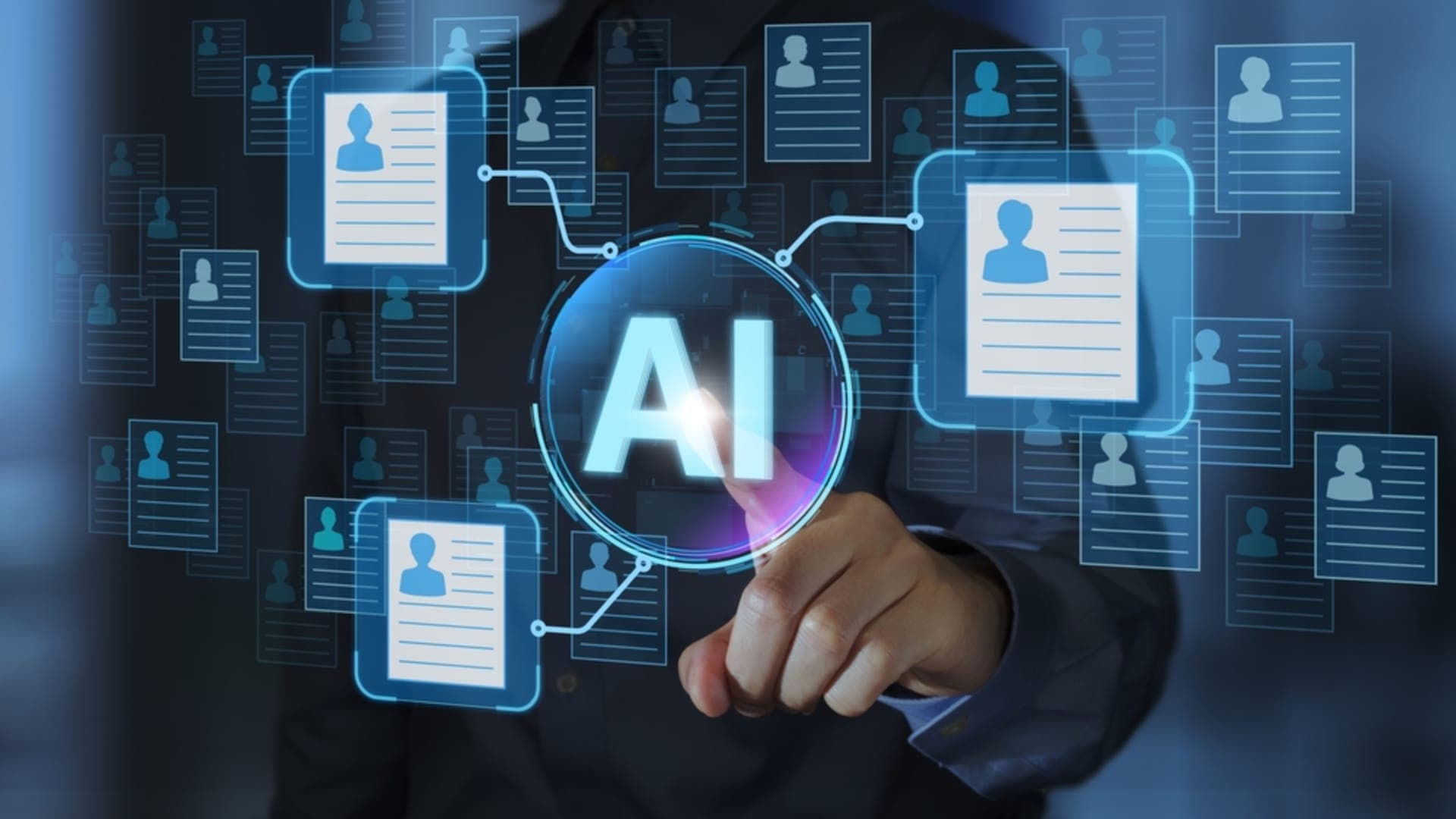
How AI Is Changing Recruitment in Morocco
AI is changing recruitment in Morocco by helping employers find relevant candidates and job seekers discover opportunities that match their skills.
How AI Is Changing Recruitment in Morocco
Artificial intelligence is becoming an increasingly important part of recruitment, changing how employers identify candidates and how job seekers discover career opportunities. In Morocco, businesses across different sectors are looking for more efficient ways to manage recruitment while candidates want faster access to roles that match their skills and experience.
AI-powered recruitment can help address both challenges by analysing large amounts of candidate and vacancy information and identifying potential matches. Technology does not replace the judgement of recruiters, but it can help them spend more time assessing suitable candidates and less time working through applications that do not meet the requirements of a role.
A Changing Recruitment Landscape in Morocco
Recruitment has traditionally involved employers advertising vacancies, collecting CVs and manually reviewing applications. As organisations receive increasing numbers of applications, this process can become time-consuming, particularly when recruiters need to identify specific technical skills, qualifications or levels of experience.
AI introduces another layer to the process by helping analyse candidate information at speed. Recruitment platforms can assess skills, experience and other relevant information to identify profiles that may be suitable for particular vacancies.
For employers, this can create a more focused starting point. For candidates, it can make it easier to discover opportunities that correspond more closely with their professional background.
How AI-Powered Matching Works
AI-powered recruitment platforms use data from candidate profiles and job descriptions to identify areas of compatibility. This can include professional experience, technical skills, qualifications and other information relevant to the position.
The technology can then generate a compatibility score or ranking, helping recruiters identify applications that warrant closer attention. Instead of replacing the recruitment process, this can make the initial screening stage more organised and efficient.
On JobExpo.ma, AI-powered matching is designed to help bring suitable candidates and employers closer together while keeping human judgement at the centre of the hiring process.
Helping Candidates Find Relevant Jobs
Job seekers can face a different challenge from employers. Searching through hundreds of vacancies can take considerable time, particularly when many available positions are unrelated to their experience or career goals.
AI-powered matching can help make job searches more targeted by connecting candidate profiles with vacancies based on relevant information. A candidate with experience in sales, technology, engineering, finance or another specialist area can use their profile to identify opportunities that better correspond with their professional skills.
This approach encourages candidates to focus on relevant applications rather than simply applying for as many vacancies as possible.
Supporting Recruiters With Candidate Screening
Recruiters can also benefit from technology that helps organise applications. Instead of manually assessing every CV from the same starting point, AI can help identify profiles that appear closely aligned with the requirements of a particular vacancy.
This can be particularly useful for companies recruiting for roles that attract large numbers of applications. By prioritising potentially relevant candidates, recruiters can spend more time reviewing experience, conducting interviews and assessing cultural and organisational fit.
The technology therefore supports the administrative side of recruitment while leaving important decisions to hiring professionals.
AI Does Not Replace the Recruiter
One of the most important aspects of AI-powered recruitment is the relationship between technology and human decision-making. An algorithm can identify patterns in candidate information, but it cannot replace the professional judgement required to assess a person's suitability for an organisation.
Recruiters still need to consider experience, communication, motivation, cultural fit, career goals and other factors that may not be fully captured by a profile or CV.
AI works most effectively as a support tool. It can help organise information and identify potential matches, while recruiters remain responsible for evaluating candidates and making hiring decisions.
Making Recruitment More Skills-Focused
AI is also contributing to a wider move towards skills-based recruitment. Rather than focusing exclusively on job titles or previous employers, technology can help identify the specific capabilities a candidate brings to a role.
This can create opportunities for candidates whose career paths do not follow a traditional route. Transferable skills, practical experience and qualifications can become more visible when recruitment focuses on what candidates can actually contribute.
For employers, a skills-focused approach can also widen the potential talent pool and help identify candidates who may have been overlooked through conventional screening methods.
Improving the Candidate Experience
The recruitment process can be frustrating when candidates repeatedly apply for positions that are poorly suited to their experience. More relevant recommendations can help reduce this problem by giving job seekers a clearer selection of opportunities.
A well-developed profile can provide the basis for more personalised job recommendations, helping candidates spend their time on applications that have a stronger connection with their skills and ambitions.
This can make recruitment feel less like a numbers game and more like a targeted search for the right opportunity.
Why Recruitment Technology Matters to Moroccan Employers
Moroccan businesses operate across a wide range of industries, from technology and financial services to customer operations, engineering, manufacturing, education and professional services. Each sector requires different combinations of skills and experience.
Recruitment technology can help employers manage these requirements more efficiently, particularly when organisations need to identify candidates quickly. AI-powered matching can provide an additional tool for companies looking to strengthen their recruitment processes and connect with a wider pool of talent.
The Future of Recruitment in Morocco
AI is likely to become a more established part of recruitment as employers and candidates become more familiar with technology-supported hiring. The most effective approach will involve combining automation with human expertise rather than treating the two as competing alternatives.
For candidates, this means maintaining an accurate and detailed professional profile, highlighting relevant skills and applying for roles that genuinely match their experience. For employers, it means using technology to improve efficiency while retaining careful human assessment throughout the hiring process.
JobExpo.ma and AI-Powered Recruitment
JobExpo.ma combines AI-powered job matching with recruitment technology designed to help employers and candidates connect more efficiently. Candidates can create professional profiles and explore vacancies that match their skills and experience, while employers can use intelligent matching to identify relevant talent and manage applications.
The platform brings technology into the recruitment process while keeping recruiters at the centre of hiring decisions. As Morocco's employment market continues to develop, this combination of AI-powered tools and human expertise can help create a more focused approach to connecting talent with opportunity.
Explore the latest jobs and discover opportunities that match your skills on JobExpo.ma.