
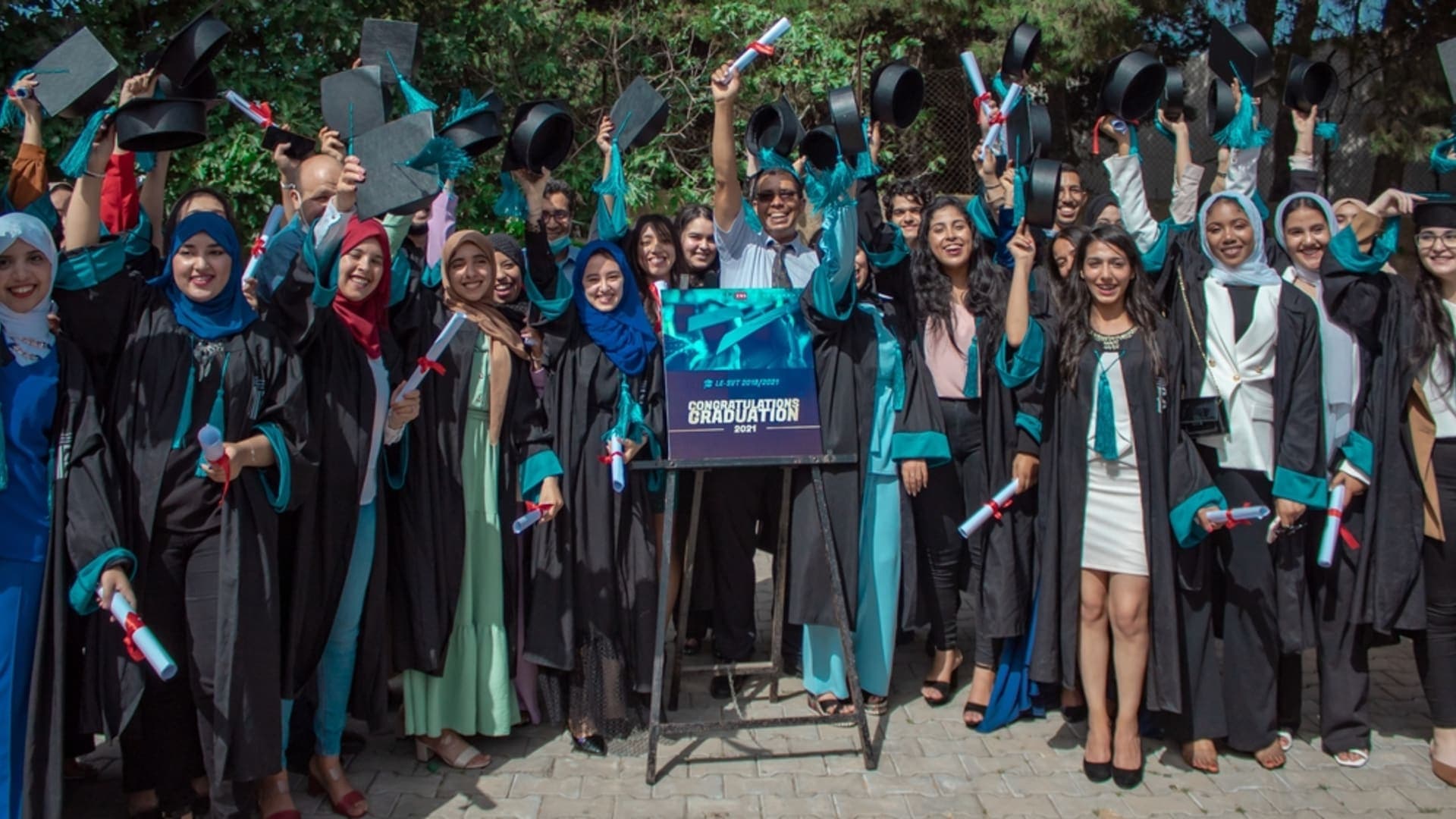
Why Higher Qualifications Can Make Job Hunting More Competitive in Morocco
Discover why higher education graduates can face a competitive job market in Morocco and learn practical ways to stand out with skills, experience and achievements.
A university degree is often seen as a direct route to better career opportunities. Higher education can provide specialist knowledge, recognised qualifications and access to professional careers. Yet the relationship between qualifications and employment is not always straightforward.
According to official HCP data for the second quarter of 2026, the unemployment rate among higher education graduates in Morocco stood at 16.7%, compared with 3.8% among people without qualifications.
At first glance, this may appear surprising. Why would people with advanced qualifications face a higher unemployment rate than those without diplomas? The answer lies partly in the nature of the jobs graduates are seeking and the increasingly competitive market for specialised positions.
A Degree Can Open the Door, But It Does Not Guarantee the Job
Higher education graduates often compete for roles that require specific academic backgrounds, technical knowledge or professional qualifications. These positions can attract large numbers of candidates with similar educational achievements.
When most shortlisted applicants have strong degrees and relevant academic backgrounds, a qualification may become the minimum requirement rather than the deciding factor. A degree can help a candidate gain access to an interview, but employers may then focus more closely on practical skills, experience, achievements and evidence of what the candidate can do.
Quality Can Have More Impact Than Quantity
Applying for as many jobs as possible can feel like the best way to improve the chances of success. However, sending large numbers of generic applications may not produce the strongest results.
Eight carefully targeted applications can potentially have more impact than 80 applications that use the same CV and cover letter without considering the specific role. Candidates should study each job description and adapt their application to highlight the qualifications, skills and experience most relevant to the employer.
Show Evidence, Not Just Skills
Many CVs contain long lists of skills such as communication, leadership, teamwork and problem-solving. These qualities are valuable, but employers also want evidence of how candidates have applied them.
Projects, portfolios, internships, freelance work, voluntary experience and practical achievements can all demonstrate capability. Instead of simply listing a skill, candidates can provide examples of how they used that skill and the result they achieved.
Focus on Results and Achievements
Employers often need to understand the impact a candidate has made rather than simply the responsibilities they have held. Think about the results of your work and the contribution you made to a project, organisation or team.
Where possible, use specific examples and measurable results. A completed project, improved process, successful campaign, achieved target or practical solution can provide stronger evidence than a general description of responsibilities.
Build Experience Alongside Your Qualifications
Academic qualifications remain valuable, but practical experience can strengthen a graduate's professional profile. Internships, work placements, voluntary projects, freelance assignments and personal projects can all provide opportunities to develop skills and demonstrate initiative.
Graduates with limited professional experience can also consider how academic work demonstrates practical ability. Research projects, business proposals, software applications, design portfolios and other completed work can provide useful evidence for employers.
Go Where Recruitment Happens
Many opportunities are created through direct contact between employers and candidates. Professional events, industry gatherings, recruitment forums and networking opportunities can give jobseekers the chance to learn more about growing sectors and speak directly with recruiters and decision-makers.
For graduates competing in a crowded market, professional visibility can be an important part of the job search. A strong online profile, an up-to-date CV and active participation in relevant professional communities can all help candidates become more visible to potential employers.
Make Your Application Work Harder
A strong application should make it easy for a recruiter to understand what you know, what you can do and what you have achieved. Your degree answers part of the first question, while your skills and practical experience help demonstrate your capabilities.
Your projects, results and achievements provide the evidence that can help distinguish your profile from other candidates with similar academic qualifications.
Your Qualification Is the Starting Point
The high unemployment rate among graduates highlights the importance of combining qualifications with practical skills, relevant experience and a focused job search strategy. In a competitive recruitment market, many candidates may have similar academic credentials, making it increasingly important to demonstrate how knowledge has been applied.
Your degree can open the door. Your skills, experience and results can help you walk through it.
Jobseekers can use JobExpo.ma to increase their visibility with employers and recruiters searching for qualified talent. By maintaining a strong professional profile, highlighting concrete achievements and actively exploring new opportunities, candidates can take a more focused approach to building their careers.
Discover employment opportunities and connect with recruiters through JobExpo.ma and the [JOBEXPO.MA app](https://www.jobexpo.ma/download).